
Biogas and biomethane
technology
Biomethane is made from local feedstock. It is a renewable fuel with the same parameters as natural gas, produced in a circular-economy model.
CONTEXT
Local waste becomes renewable fuel
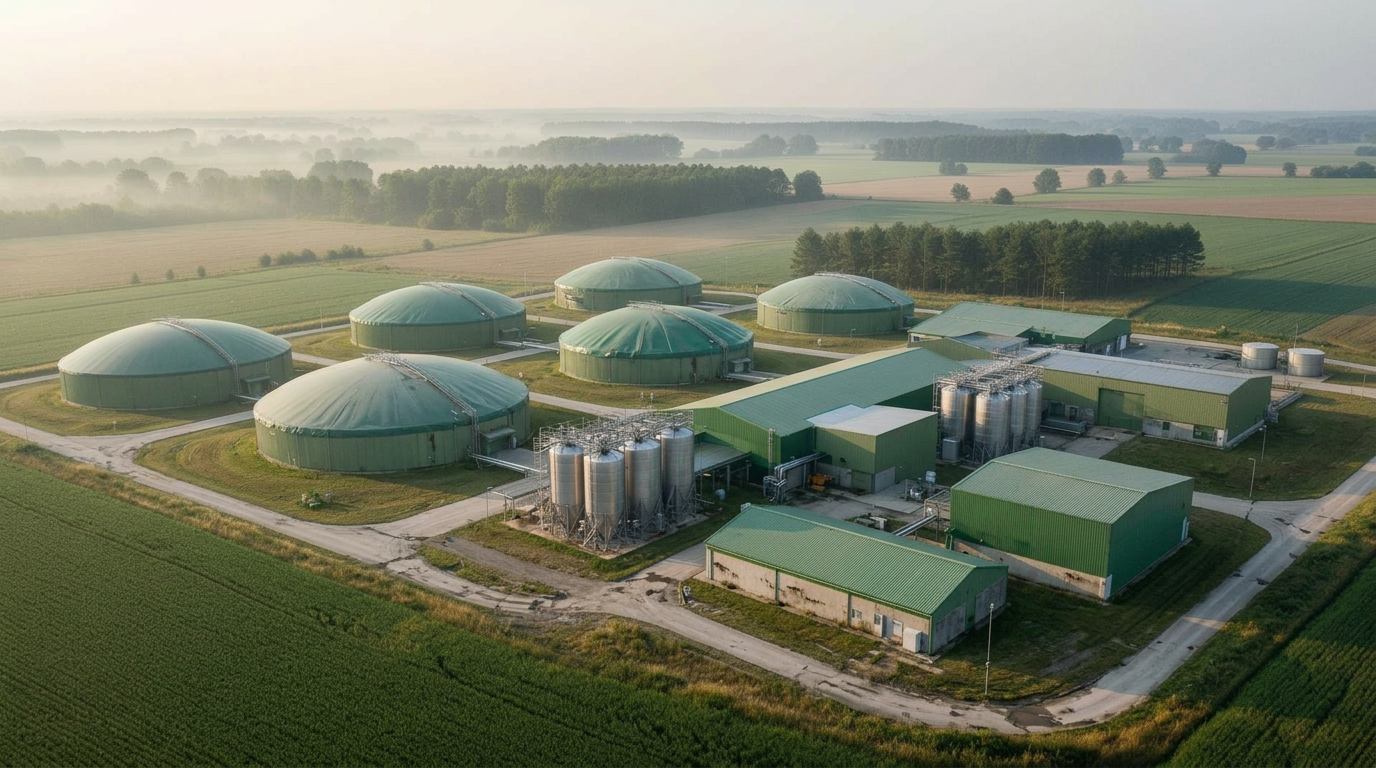
Biomethane is purified biogas with parameters equivalent to natural gas. It is produced by anaerobic fermentation of biomass — agricultural residues, slurry and food-processing waste.
The technology is mature and proven in hundreds of installations across Europe. It turns materials that are often treated as a problem into fuel and organic fertiliser — with no changes needed in the gas customer's infrastructure.
Process
How is biomethane made?
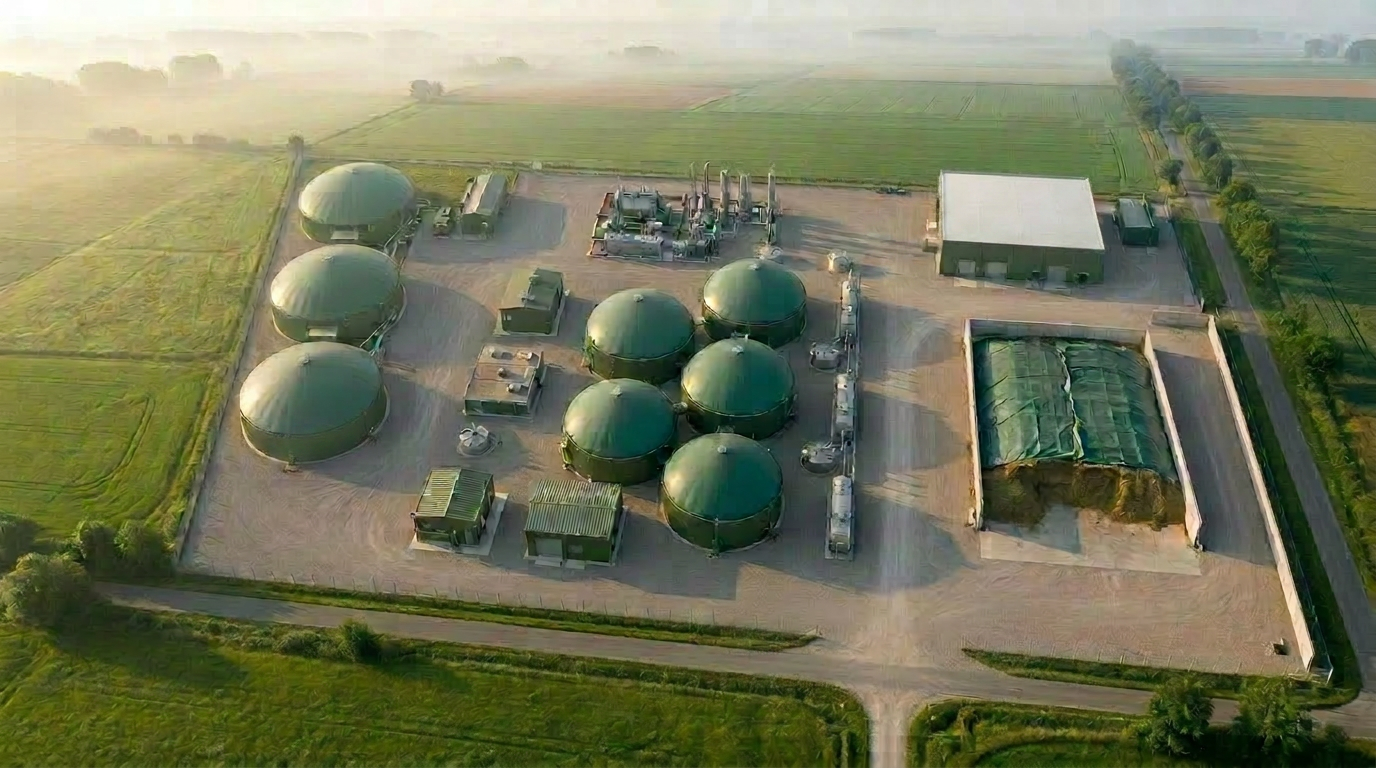
Interactive map of a biomethane installation. Click a number on the illustration to explore each stage of the process.
Local organic feedstock
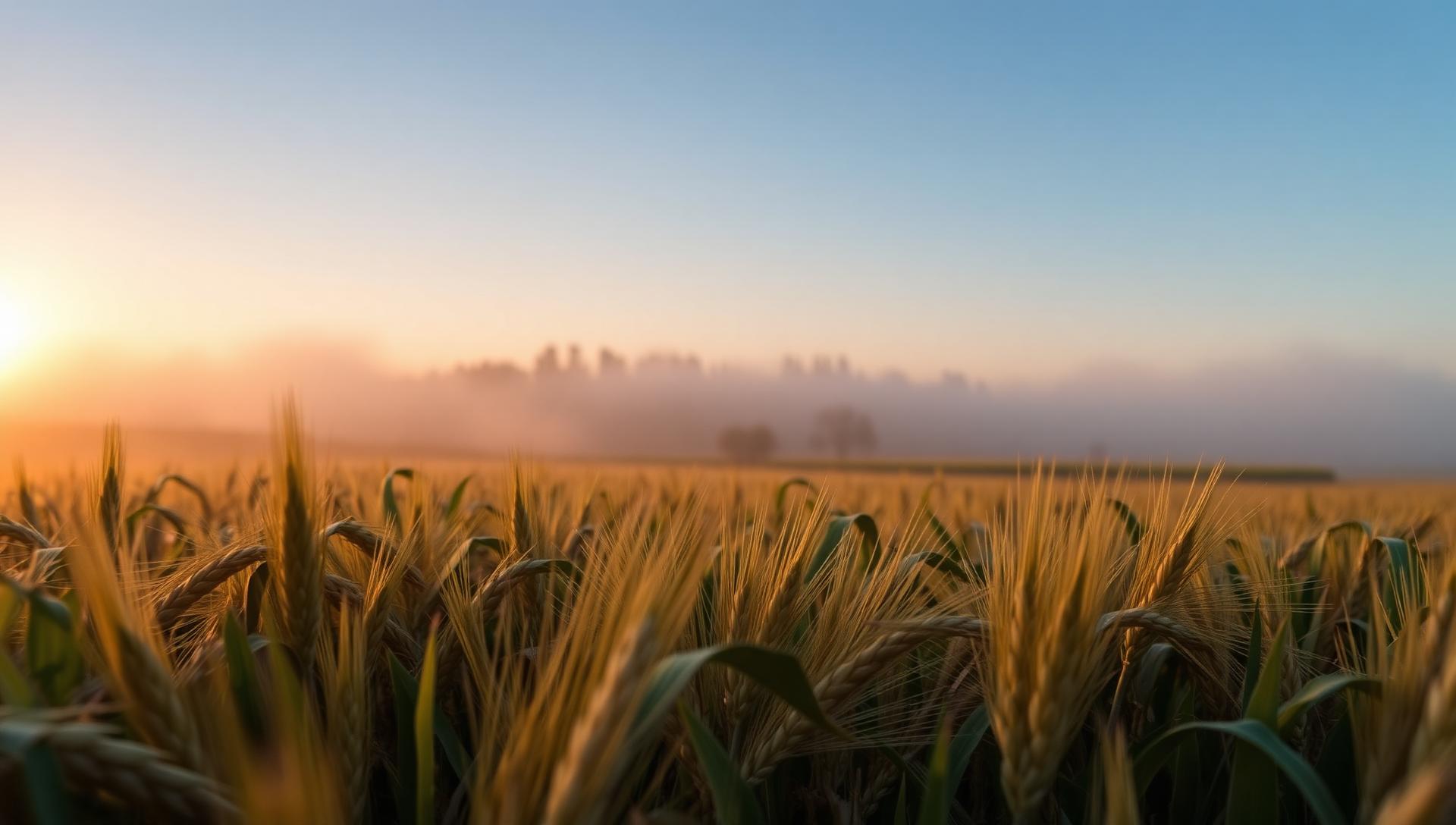
We use feedstock available locally, so the plant supports local agriculture and reduces the need for long-distance transport.
Why biomethane
Three reasons it makes sense
Local source
Feedstock comes from farms and businesses nearby. Short supply chains, less dependence on imported fuels and stable cooperation with local partners.
Closed loop
What is waste for one party becomes feedstock for the biogas plant. Digestate returns to the fields as organic fertiliser, reducing the use of mineral fertilisers.
Natural-gas substitute
Biomethane with a CH₄ purity of ≥ 97% goes straight into the grid. The customer uses gas just as before — the difference is in its origin and carbon footprint.
Technology in practice
Parameters that matter
We design our installations to run stably for decades. The choice of technology depends on available feedstock, local infrastructure and the customer's requirements.
A single biomethane plant typically produces from several hundred to a few thousand m³/h of biomethane — equivalent to the demand of several to several tens of thousands of households.
≥ 97%
CH₄ purity in biomethane
35–42 °C
Fermentation temperature
30–60 days
Feedstock retention time
24/7
Continuous plant operation
Safety
Control at every stage
A biomethane plant is a modern production facility. It runs under continuous supervision — both automated and human — from feedstock reception to gas injection into the grid.
Feedstock quality
Every biomass delivery is checked for composition and purity. It's the foundation of stable fermentation and predictable biogas output.
Biological monitoring
Continuous measurement of pH, temperature and bacterial activity in the fermentation chambers. It allows early intervention and keeps the process within its optimal range.
Gas and pressure monitoring
Leak detection, biogas composition and pressure measurement across the plant. Automated safety procedures run 24/7.
Digestate and fertiliser
Digestate is tested before being applied to the fields — for nutrient content and sanitary parameters. It only goes where it meets the requirements.
Two models
From biogas plant to biomethane plant
A classic biogas plant burns biogas in a CHP unit to generate electricity and heat. A biomethane plant goes one step further: it purifies the biogas and injects it into the gas grid.
Biogas plant
Power and heat on site
Biogas is fed into a CHP unit. Electricity is exported to the grid and heat is used locally. The model works well where there is a stable nearby heat off-taker.
Biomethane plant
Green gas in the grid
Biogas is upgraded to biomethane and injected into the gas grid or compressed to bioCNG and trucked to the off-take point. It can serve industrial, district-heating and residential customers — anywhere natural gas is used today.
Circular economy
Biomethane closes the loop
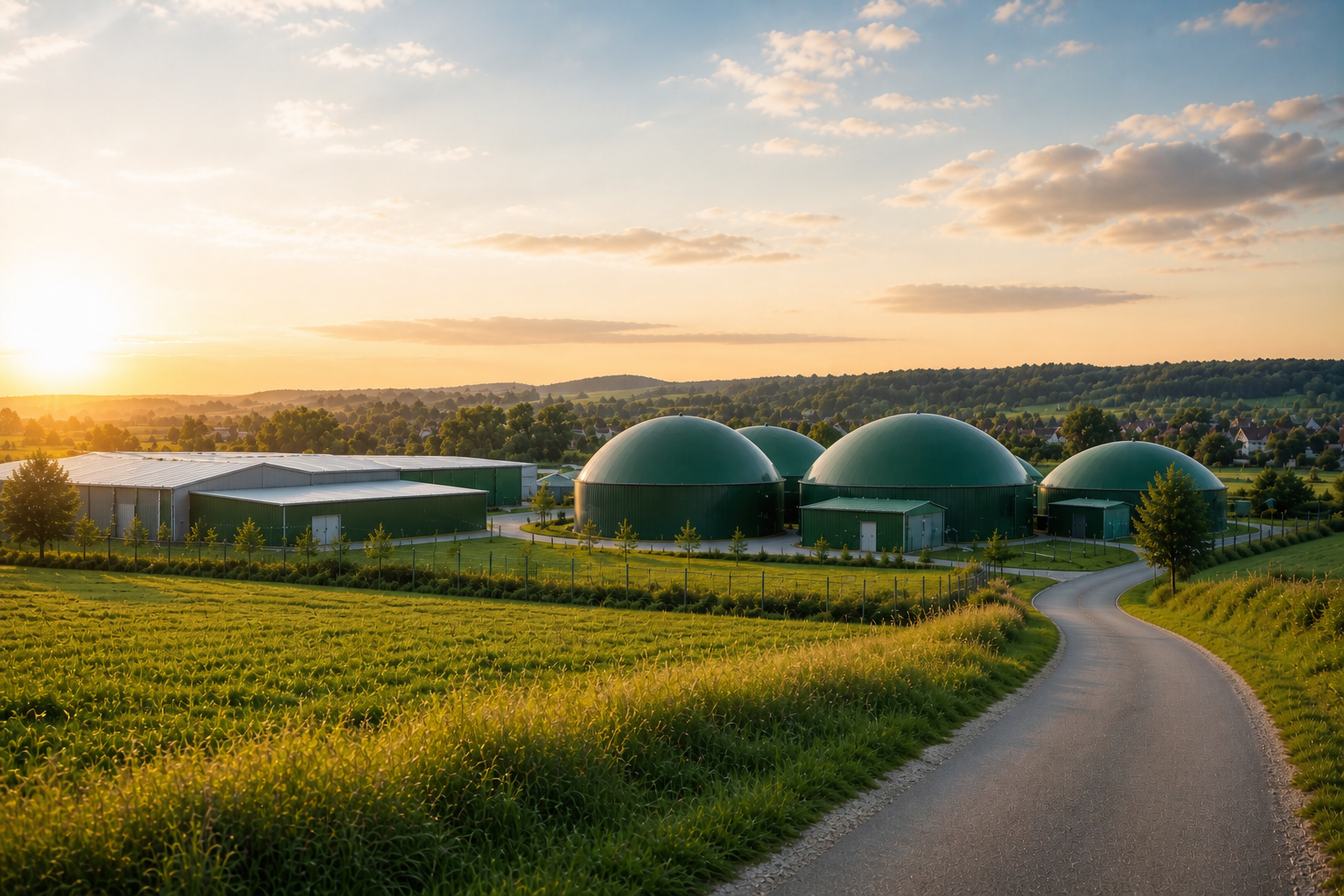
Local organic waste doesn't have to be a problem. Thanks to a biomethane plant, it becomes a resource — a sustainable fuel replacing natural gas, and an organic fertiliser that returns to the fields.
That's why biomethane is a key building block of the modern circular economy. It connects energy, agriculture, industry and local development in one practical process.
Cooperation
Get in touch
Would you like to learn more about our installations, become a feedstock supplier or an off-taker of biomethane?