
Article
The gas grid and biomethane development. What can Poland learn from France?
Poland has one of the largest biomethane potentials in Central Europe. Waste from farming, livestock and food processing could feed thousands of local plants producing renewable gas. Increasingly, the key questions are not about production technology, but about infrastructure: required gas quality parameters, local grid capacity and the cost of connecting to the gas system.
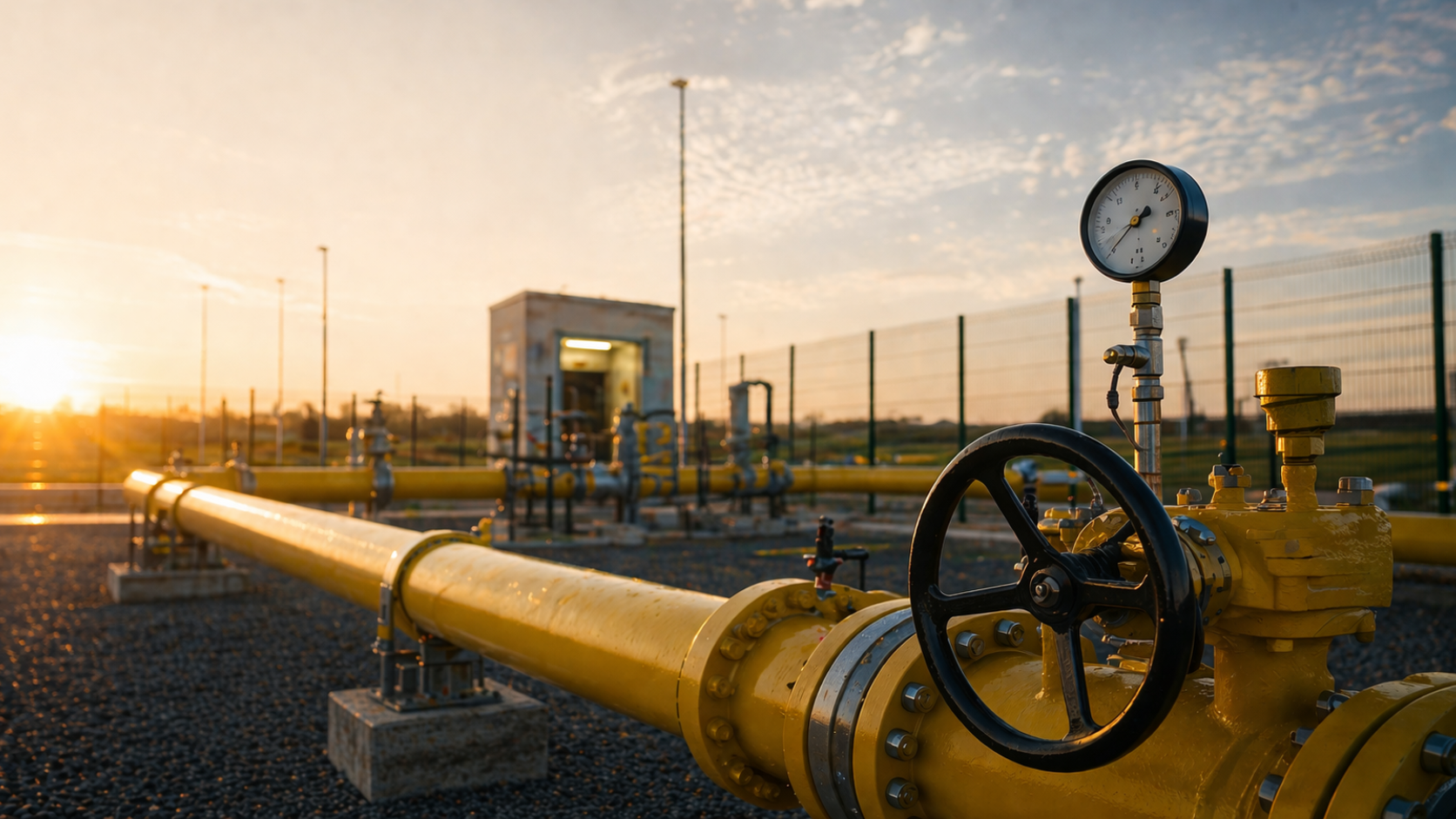
Biomethane is gaining importance
A few years ago, biomethane was mostly an industry curiosity in Poland. Today it is increasingly seen as one of the few renewable energy sources that can replace natural gas without rebuilding millions of domestic installations, industrial boilers or engines.
After upgrading, biomethane meets the parameters of natural gas, so it can be injected directly into the grid and used in exactly the same way.
Expectations around this market are therefore growing — especially since Poland has significant feedstock potential. Agricultural waste, slurry, food-processing residues and sludge from industrial wastewater treatment can become the basis of a national biomethane market and a new wave of energy investment.
Gas parameters under the operators' microscope
In practice, the industry increasingly points to challenges integrating biomethane with the existing gas system.
The biggest constraints arise not in the fermentation plant itself, but at the interface between the biomethane facility and the pipeline. Grid operators require injected gas to meet strict quality parameters — calorific value, oxygen and sulphur content, pressure and chemical composition.
In some locations this means so-called blending, including propanation — adding small amounts of propane to green gas to raise its calorific value to the level required for a given network area (so-called ORCS — Calorific Value Settlement Area).
Elsewhere the challenge is the opposite — nitrogen must be added so that biomethane parameters match the gas already in the local system.
For investors this means additional process equipment, more measurement points and higher operating costs. For operators — the need to keep stable fuel parameters for end users.
Stable production, variable demand
The second major challenge is grid capacity. A biomethane plant produces gas at a stable rate all year round, while demand varies seasonally, weekly, even daily.
Local networks are heavily loaded in winter and demand drops markedly in summer. Similar swings occur during the week — demand typically drops on weekends. If a plant sits at the end of a local pipeline, the grid may at times be unable to absorb its full output.
The French lesson: gas can flow both ways
France started tackling this problem systemically several years ago — and is today regarded as one of the most developed biomethane markets in Europe.
The French quickly recognised that the market could not develop if all grid constraints were left to investors. They began modernising the gas system itself.
One of the key solutions turned out to be so-called reverse-flow points — installations that allow the direction of gas flow to be reversed.
In the standard model, gas flows from large transmission systems down to local distribution networks. France created the option to send surplus biomethane in the opposite direction — from a local network back into the transmission system.
As a result, biomethane produced in summer in a small town does not have to be consumed locally. It can be sent into the wider network and on to other regions or to gas storage.
An active role for operators
France went further. Grid operators were given concrete targets for the share of renewable gases in the system. That flipped the market logic.
In Poland, investors often ask operators whether connection is possible. In France, operators increasingly look for new sources of green gas themselves.
A more flexible approach to gas quality also mattered. For years the French regulator allowed greater tolerance for differences between biomethane and the gas already in the network. The reasoning was straightforward: a single biomethane plant does not materially affect gas quality across the national system.
This let the market grow faster. Only with the rapid increase in installed capacity did the regulator gradually tighten some requirements.
Regulations that can speed up the market
Poland is at an earlier stage of market development, which is precisely why the French experience is so interesting. It shows that market growth depends not only on support schemes or upgrading technology, but also on the approach to grid infrastructure.
The industry argues that some of the challenges could be eased by relatively simple regulatory changes. One frequently raised demand is to widen tolerance for gas quality parameters in the network. According to investors, this could reduce the need for propanation, lower related risks and cut operating costs.
Regulatory predictability also matters greatly. A support scheme already exists for plants up to 1 MW, but the market is still waiting for fuller solutions for larger projects. For investment funds and banks this is fundamental, because biomethane and biogas projects are planned over decades.
Biomethane as part of the local economy
Biomethane can become an important part of the energy transition not only because it produces renewable gas. For many municipalities it also means local processing of organic waste, reduced methane emissions from agriculture, and new models of cooperation between food processing and farming.
But for the Polish biomethane market to grow on a larger scale, new plants alone will not be enough. A gas network prepared for gas flowing in more than one direction and reaching more than one supply area will be just as crucial.
Related

Biomethane: does "more expensive" Polish gas pay off more than imports?
Price is not the full bill — 5 takeaways from the Polish Biomethane Association report that change how we should judge biomethane economics versus imported natural gas.
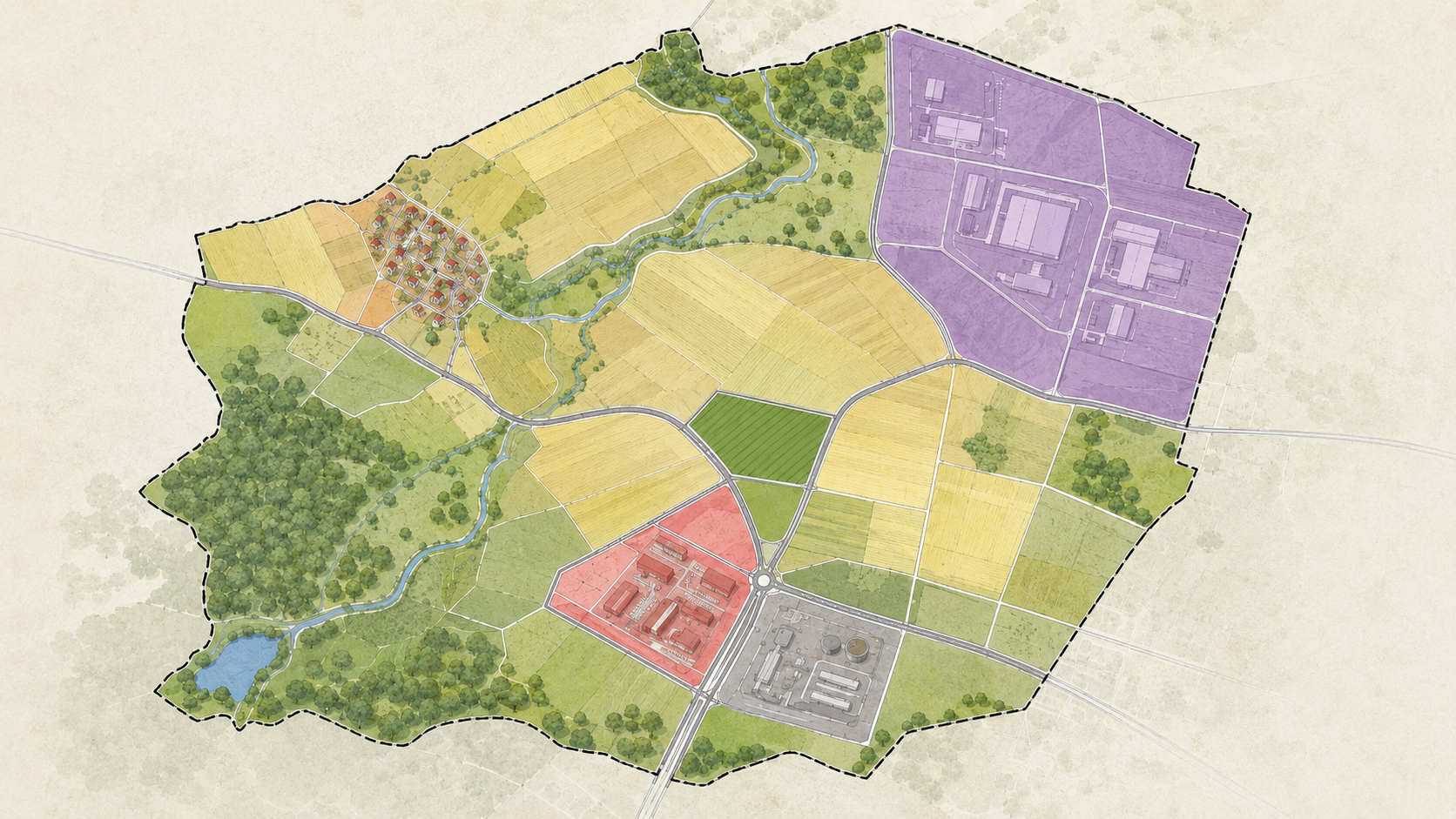
General zoning plans and biomethane investments. How not to close the door on investors?
Poland has significant biomethane potential, but the future of many projects will be decided not only by technology, financing or feedstock. Spatial planning matters more and more — municipal master plans now decide where biomethane plants can be built.
Cooperation
Let's talk about biomethane
Investor, farmer, municipality or journalist? Reach out to our team.